
Mold Inspection & Testing in West Palm Beach, FL
Have musty rooms or a leak? Our West Palm Beach mold inspection pinpoints the moisture source and uses targeted samples when appropriate. We simplify lab results into actionable steps. Quick responses, clear next steps, no intimidation.
Our Mold Inspection & Testing Process
We keep it clear and practical—start with a quick call, map moisture, test only if it guides decisions, then deliver a plain-English report with steps you can act on.
1
Quick Phone Intake (5–7 Minutes)
We ask a few pointed questions: where you smell the must, any recent leaks, A/C behavior (short-cycling? warm rooms?), construction age, and who needs the report (you, seller, insurer, HOA). This helps us bring the right gear and decide if same-day makes sense.
2
Walkthrough + Moisture Mapping
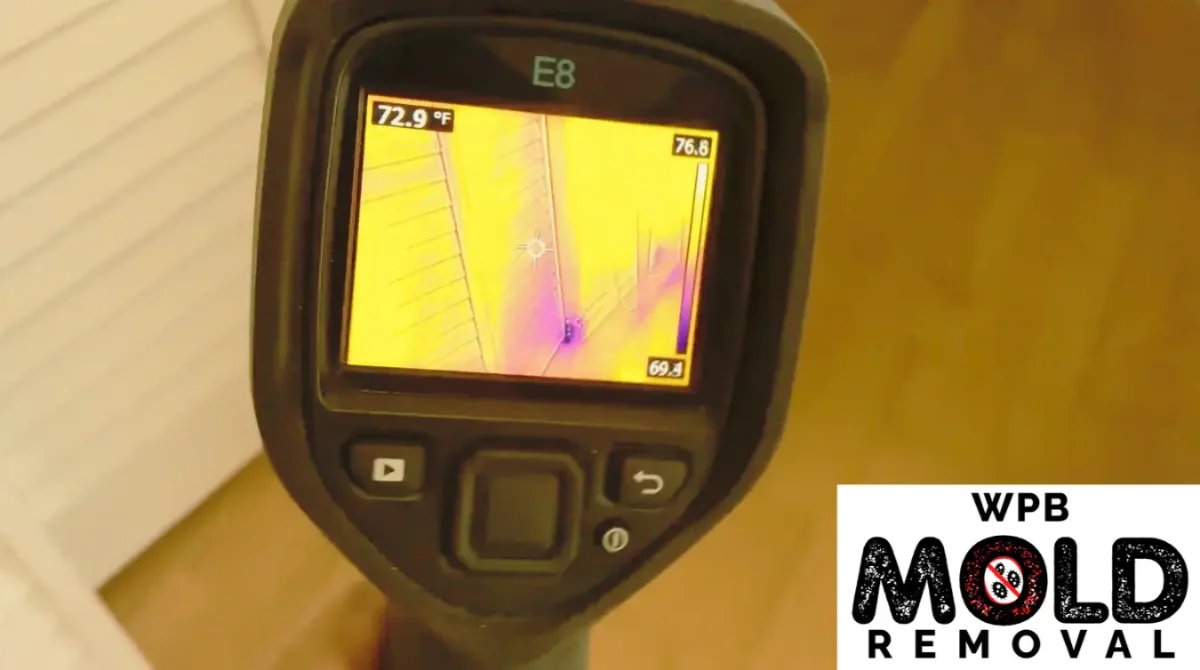
We start at the obvious source (kitchen/baths/A-C closet), then sweep walls and ceilings with thermal imaging. Cool anomalies get confirmed with pin/pinless moisture meters; we log temp/RH with a hygrometer. If nothing’s wet, we look for ventilation or A/C issues.
3
Targeted Sampling (Only When It Helps A Decision)
If documentation is needed—or the source is unclear—we’ll collect:
- Air samples (spore traps) in affected rooms and an outdoor control.
- Surface samples (tape/swab) on suspicious staining or growth.
We explain why each sample matters and avoid “more vials = better” thinking. All samples follow chain-of-custody to an AIHA-accredited lab.
4
Same-Day Summary, 24–48h Lab
Before we leave, you get a plain-English verbal summary with photos of key findings. Lab results typically return in 24–48 hours. If something urgent pops (e.g., active leak), we flag it immediately and outline temporary controls.
5
Results Review (No Scare Tactics)
We compare indoor results to the outdoor control and discuss what “elevated” actually means for your situation—health concerns, building materials at risk, and urgency. You’ll see the story in photos + readings, not just spore counts.
6
Written Plan You Can Act On
You receive a PDF report with: findings, moisture sources, lab tables simplified, and next steps. If mold treatment is needed, we include a clear protocol (containment, HEPA, removal/dry, clearance criteria).
What this process avoids: unnecessary samples, vague recommendations, and “just bleach it.” Bleach won’t fix a wet wall.
Transparent Pricing in West Palm Beach: $250–$500
No bait-and-switch. Our base inspection visit in West Palm Beach costs $250–$500, and we will let you know your exact cost before we roll a truck.
What the base visit covers
- On-site inspection of the areas you’re worried about (plus our own high-risk checkpoints).
- Moisture mapping with thermal imaging, pin/pinless meters, and indoor RH/temperature logging.
- Photo documentation of anything we find (so you can share with a landlord, HOA, or insurer).
- A plain-English summary on the spot and a written recap afterward.
Why the price varies
- Home size & access: Condos with easy parking and a single air handler are quicker than multi-story homes.
- Scope & complexity: One bathroom vs. multiple wet rooms, attics, or tricky exterior walls.
- Urgency / after-hours: Same-day or evening slots cost more to staff (we’ll always tell you up front).
- Multi-unit or commercial: Larger footprints and stakeholder reporting add time—see commercial mold removal in West Palm Beach for post-inspection work.
About lab testing add-ons
- Sampling is optional and priced per sample (air or surface). We only recommend it when it changes decisions or you need documentation (insurance, real estate, clearance).
- Typical homes that do test take 2–4 samples (including the required outdoor control). We’ll quote the lab plan before we collect anything.
How to keep costs down
- Tell us the exact rooms that smell musty or had leaks—focus saves time.
- Clear sink bases, A/C closet, and window sills so we can inspect without moving a lot of items.
- If you’ve got photos or dates of leaks, send them ahead so we can target likely wall cavities.
If growth is small and obvious, you may not need testing at all—go straight to mold cleanup and fix the moisture first.
How We Interpret Your Lab Results (Without Scaring You)
Numbers are only helpful if they tell a clear story. We turn lab tables into plain language so you know what to fix—and what you can ignore.
Indoor vs. outdoor control (the north star).
Every air test needs an outdoor control taken the same day. Outdoor air is your baseline. If your living room shows similar types and proportions as outdoors (with normal household variation), that’s usually fine. If certain types are much higher indoors—especially moisture-loving ones—that points to an indoor source.
Genera you’ll see (and what they imply).
- Aspergillus/Penicillium types: Common indoors. If indoor >> outdoor, or if you’re seeing them where moisture is present, we look for hidden damp drywall, cabinets, or A/C issues.
- Cladosporium: Common outdoors. A small indoor presence isn’t a big deal; a big spike indoors suggests window or HVAC problems.
- Stachybotrys or Chaetomium: These like very wet materials. Even low counts indoors matter because they signal a past or current soaking leak.
What “elevated” actually means.
We don’t use a single magic number. We look at ratios (indoor vs outdoor), types, and context (recent leaks, A/C behavior, windows open during sampling). Example: If outdoor shows high Cladosporium after a storm, a mild indoor presence may be normal. But if your bedroom has Aspergillus/Penicillium 5–10x the outdoor level, that’s a red flag.
Avoiding false alarms.
Sampling right after vacuuming, heavy foot traffic, or with windows open can skew results. We’ll guide you on simple prep so your results reflect reality, not yesterday’s dust cloud.
Surface samples: confirm, don’t guess.
Tape lifts or swabs help confirm if that spot is actual fungal growth vs. dirt or staining. We don’t swab every dot. Targeted samples answer a question: Is this growth? Is this type tied to a leak?
From data to action.
If results are normal: we’ll give you prevention steps—humidity targets, A/C run times, filter choices, and post-storm checks.
If results are elevated: we’ll pinpoint likely sources and outline a fix-the-moisture + cleanup plan. If cleanup is needed, head to mold removal / mold remediation in West Palm Beach for what that looks like.
Clearance testing (when you remediate).
After cleanup and drying, we can retest. The goal: indoor samples look similar to outdoor, with moisture back in the safe range and no visible growth. You’ll get a pass/fail summary you can share with buyers, landlords, or insurers—without the scare tactics.
Local, Licensed, Accountable: How We Keep You Covered
You shouldn’t have to guess who’s in your home—or whether their report will stand up to scrutiny. Here’s how we make trust visible.
Licensed & insured—no exceptions.
Our assessors carry the proper Florida mold license and active insurance. That means your inspection, photos, and findings aren’t “just an opinion”—they’re produced by a credentialed pro with coverage behind the work. If your HOA, property manager, or insurer asks for documentation, we provide it (license, certificate of insurance, and signer details) with your report.
24/7 dispatch when timing matters.
Leaks don’t respect business hours. If you’ve got a musty bedroom at 9pm or water in an A/C closet on Sunday, we’ll prioritize a same-day or after-hours slot when available. You’ll know the window before we roll—and we’ll keep you updated if traffic or weather shifts the ETA.
Evidence you can share (not just “trust us”).
Your PDF includes:
- Time-stamped photos of problem areas.
- Moisture readings and notes where they were taken.
- Sampling map (if testing) showing which rooms we tested and the outdoor control location.
- Chain-of-custody receipts to an AIHA-accredited lab (the gold standard your insurer or buyer’s agent looks for).
Need a quick snippet for a landlord or buyer? We’ll add a one-page summary with plain-English findings and next steps.
Ethical separation: diagnose first, then fix.
Inspections should answer questions, not create conflicts. Our stance: find the moisture → define the scope → then remediate. If you choose us for cleanup, we use the same written protocol we’d hand to any third-party contractor, so the plan is consistent and auditable. Prefer an independent remediator? No problem—we’ll still provide a complete protocol and clearance criteria so everyone plays by the same rules.
Sample report excerpt (what “good” looks like).
We redact personal info and show you an example page during the visit: photos labeled, readings tied to photo numbers, and lab tables translated into “normal vs elevated” with indoor/outdoor comparisons. No jargon salad.
Before/after proof.
If remediation happens, we document pre-clean, containment, and post-clean/clearance so you’re not stuck with “just take our word for it.”
Commercial & Multi-Unit Inspections
Different buildings, different stakes. Offices, clinics, daycares, restaurants, and HOA/condo properties need inspections that minimize disruption, document clearly, and keep tenants or staff informed without panic.
Scenarios we handle a lot
- Office “sick room”: Cold spots behind copy rooms or exterior walls, musty boardrooms, or chronic A/C condensate issues over ceiling tiles.
- Healthcare & childcare: Higher sensitivity populations; we prioritize containment recommendations and off-hours sampling.
- HOA/condo common areas: Roof transitions, elevator lobbies, trash rooms, gym A/C closets, and ocean-facing stacks with wind-driven rain.
- Restaurants & retail: Back-of-house humidity, walk-in cooler condensation, and ceiling plenum leaks after storms.
How our commercial approach differs
- Stakeholder brief: We align with property manager/GC/board on scope, tenant comms, and access windows before we arrive.
- Targeted, low-disruption testing: Thermal + moisture mapping first; air/surface sampling only where it informs decisions. We can schedule after-hours and provide same-day triage when needed.
- Clear documentation: Floorplan sampling map, time-stamped photos, meter readings, and AIHA-accredited lab results with a simple executive summary for non-technical readers.
- Actionable protocols: If remediation is required, you’ll receive a written protocol with containment zones, negative air, HEPA, removal/dry steps, and clearance criteria—usable by any qualified contractor.
Communication that keeps things calm
We provide a one-page tenant memo template (“what we found, what’s next, expected timeline, who to contact”) so rumors don’t outrun facts. For sensitive facilities, we can brief leadership first, then share a simplified summary building-wide.
Next steps after a finding
- Water source identified? Coordinate dry-out with your vendor or ours.
- Growth confirmed? See commercial mold removal in West Palm Beach for remediation options and scheduling.
- HVAC hygiene issues? We can advise on duct cleaning scope (and when air duct cleaning helps vs. when it doesn’t).
Reporting cadence
You’ll get a rapid preliminary note (same day for urgent issues), then a full PDF within 24–48 hours of lab turnaround. Need board-ready slides? We’ll extract the key visuals and bullet the decisions required.
Near You, Across West Palm Beach
Need help today? Our licensed team covers all of West Palm Beach. We know the buildings, the weather, and the usual leak spots—so we can find the source fast and keep costs down.
Neighborhood coverage
- El Cid
- Flamingo Park
- South End (SoSo)
- Old Northwood
- Northwood Hills
- Grandview Heights
- Pleasant City
- Downtown Condos
- Riverwalk
- Poinciana Park
Zip codes we serve
- 33401
- 33403
- 33404
- 33405
- 33406
- 33407
- 33408
- 33409
- 33410
- 33411
- 33412
Why locals pick WPB Mold Removal for inspections
Because you deserve a team that’s proven, local, and honest.
Locally Rooted, Always Nearby
Based in West Palm Beach — Serving West Palm Beach neighborhoods like Flamingo Park, El Cid, and Grandview Heights since 2019.
Fast 24/7 Response
24–48h lab turnaround (rush options available)
Licensed & Insured in Florida
Licensed & insured assessors • AIHA-accredited lab chain-of-custody
Straight Forward Reporting
Plain-English report with photos, moisture readings, and next steps
Transparent Pricing
Get a clear quote before we start. Always.
Certifications





FAQs
Do I need air testing if I can already see mold?
Not always. If it’s a small, visible patch and you know the moisture source (e.g., a leaky P-trap), fix the leak and clean/remove the damaged material. Air testing helps when the source is unclear, you need documentation (buyer, landlord, insurer), or you want clearance after mold cleanup.
How many air samples does a typical WPB home need?
Most homes that test take 2–4 samples: affected room(s) + an outdoor control (required) and sometimes an extra in a nearby room or return. Bigger or multi-story homes may need more. We’ll explain the plan before sampling.
What’s the difference between mold inspection and mold testing?
Inspection = finding moisture and risk areas with thermal imaging, meters, and a visual walkthrough. Testing = lab analysis of air or surface samples to confirm what’s in the air/materials and how it compares to outdoors. Many visits don’t need testing.
How fast can you come out in West Palm Beach?
Often same day. We triage by phone and give you a real arrival window. Nights/weekends are available when staffing allows.
Can you help with commercial or HOA properties?
Absolutely. We work in offices, clinics, daycares, retail, and HOA/condo buildings. Expect a floorplan sampling map, stakeholder brief, and after-hours options. For cleanup afterward, see commercial mold removal in West Palm Beach.
Will insurance pay for mold testing?
It depends on your policy. Some carriers cover testing tied to a covered water loss, others don’t. If you need proof for a claim, we’ll document with AIHA-accredited lab results and photos so you’re not guessing.
Can you test my A/C or air ducts for mold?
Yes. We can test if smells lead to supply vents or if we find dust or growth at boots or coils. If you need to clean your air ducts, we offer air duct cleaning services in West Palm Beach. We’ll stress moisture control first so problems don’t return.
What does “elevated spore count” actually mean?
“Elevated” means indoor results show problem types (e.g., Aspergillus/Penicillium) much higher than the outdoor control, or you have water-loving types (e.g., Stachybotrys) indoors at all. Context matters—stormy days can raise outdoor baselines.
How much does mold testing cost in WPB (really)?
Our inspection usually costs between $250–$500. If we test, samples are priced per sample ($75- $100/sample). Typical homes that test use 2–4 samples (including the outdoor control). We’ll quote before collecting so there are no surprises.
Do you test for “black mold” specifically?
We test for types and counts. The lab can identify Stachybotrys (often called “black mold”), but the bigger issue is why it’s there—usually a wet wall or ceiling. Fix the moisture first; then cleanup.
Do I need clearance testing after remediation?
If the issue was significant, yes. Clearance confirms indoor ≈ outdoor and that materials are dry with no visible growth. We include clearance criteria in your protocol so everyone knows the target.
Related Services
Mold Removal & Remediation
Stop mold at the source. Our licensed team contains, removes, and dries your home or office so it’s safe — and stays that way.
Commercial Mold Remediation
For offices, clinics, and retail, we follow a written protocol to restore safe operations with minimal downtime.
Air Duct Cleaning
We remove buildup from vents, coils, and boots—improving airflow and indoor air quality after we fix the moisture source.